
I have always been interested in how people work…
what motivates them, what they're avoiding, how they move through the world and make decisions about it. That curiosity has been the through line of my whole life, long before I had any idea it could be a job.
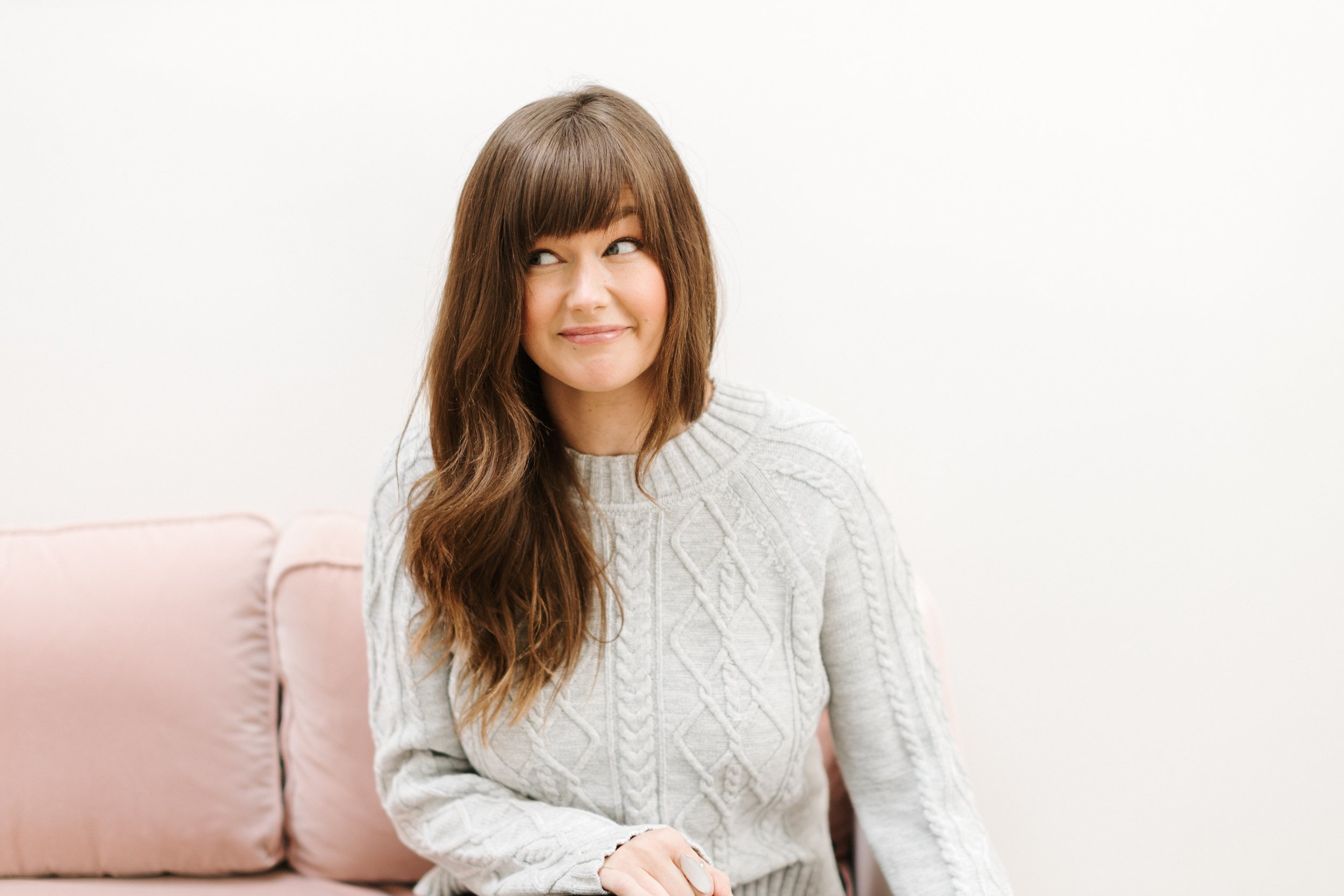
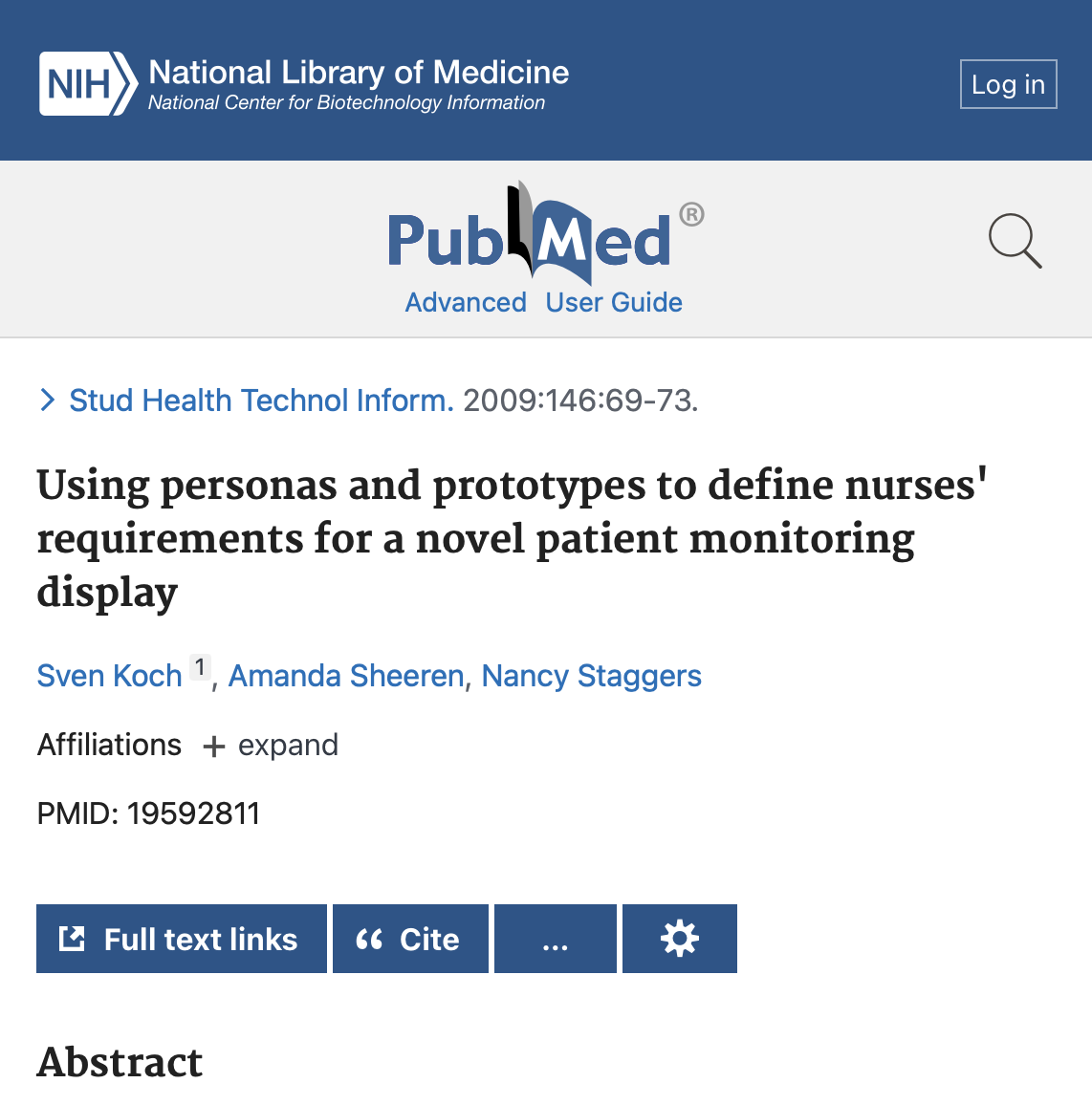
At the University of Utah, as I was completing my B.S in Psychology, I was able to join a research team working at the intersection of psychology and engineering, looking specifically at the role of personas and user-archetypes. We were designing medical equipment based on users' mental models (which is a formal way of saying we were trying to build things around how people actually thought, rather than how the engineers assumed they thought.) I picked up a certificate in Human Factors along the way.
I was a primary author on the paper that came out of that research, which was published in 2009. I did not know at the time that I would spend the next fifteen years doing more or less the same thing, just for founders and brands instead of medical equipment developers.
The years in between took a lot of turns. I became a mother, which shapes everything I do and always will. After that, I worked as a birth doula and a lactation educator for WIC, mostly with teen moms, which is where I learned how to sit with someone during the hardest thing they've ever done without rushing them through it or making it about me. There has always been a “giving-back” component to my work, because that's ultimately what drives me. I want to leave things better than I found them. More compassion, more kindness. More joy, more fun.
In 2015 I found my love for graphic design, which turned out to be the place where all of my experiences converged: the research, the psychology, the technical part, and the art I'd been making my whole life anyway.
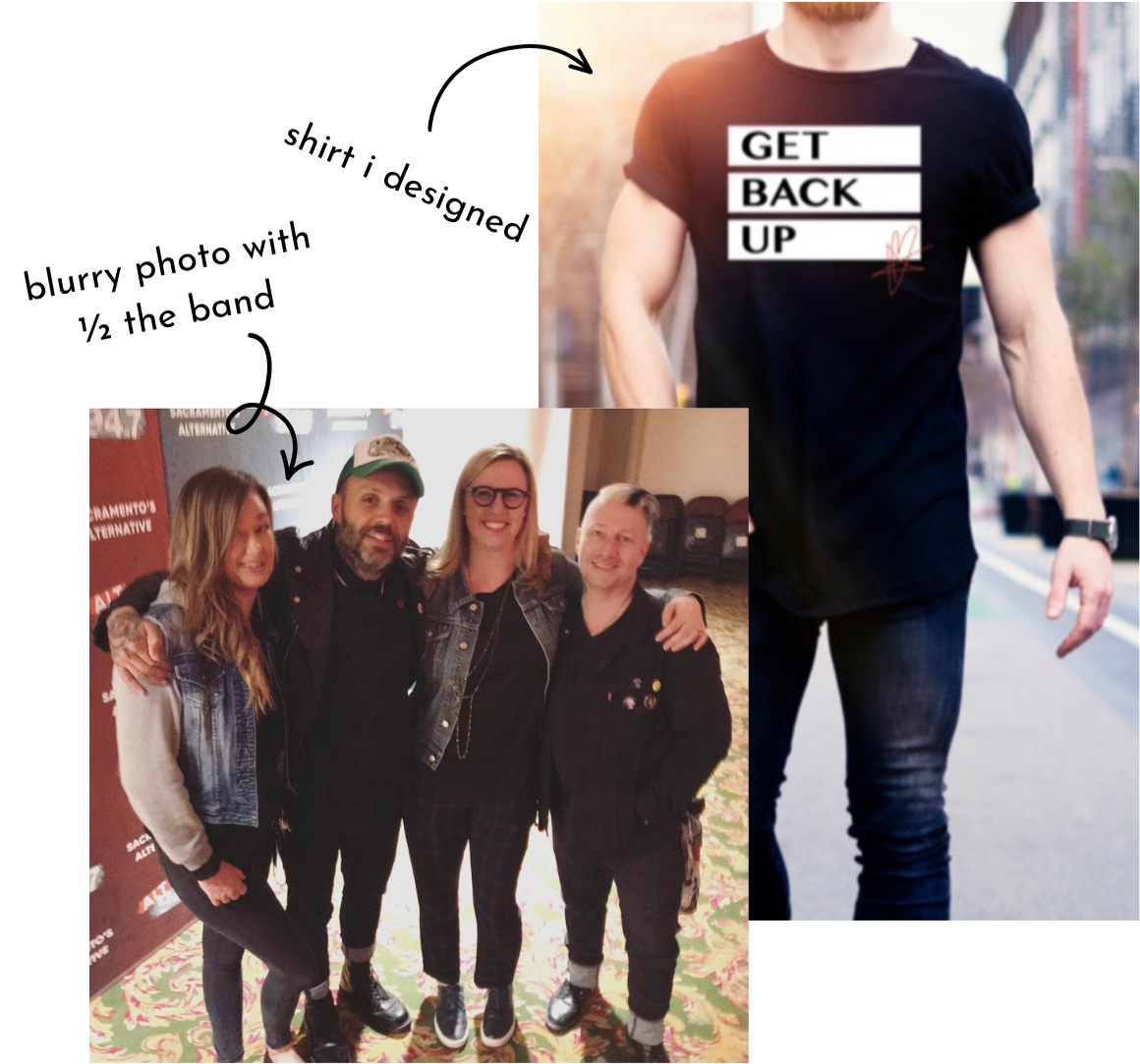
Starting in 2017 I spent a couple of years doing contract work for the band, Blue October, making tour posters and merch, which happened because I was passionate about it and knew the right person, which is honestly how most good things happen. They're a sober band with a big following in that world, and looking back it was the first time the two halves of what I do found each other, though I certainly didn't notice at the time.
In 2018, I also went back to school for computer science. I'd been writing HTML and JavaScript since I was twelve (nerd alert) and wanted to be able to do more with it. While object-oriented programming was exhilarating, I left before finishing, partly because I figured that what I actually loved was front-end, the part where a thing you imagined becomes a thing you can interact with. I pivoted and picked up a UX design certificate from General Assembly instead.
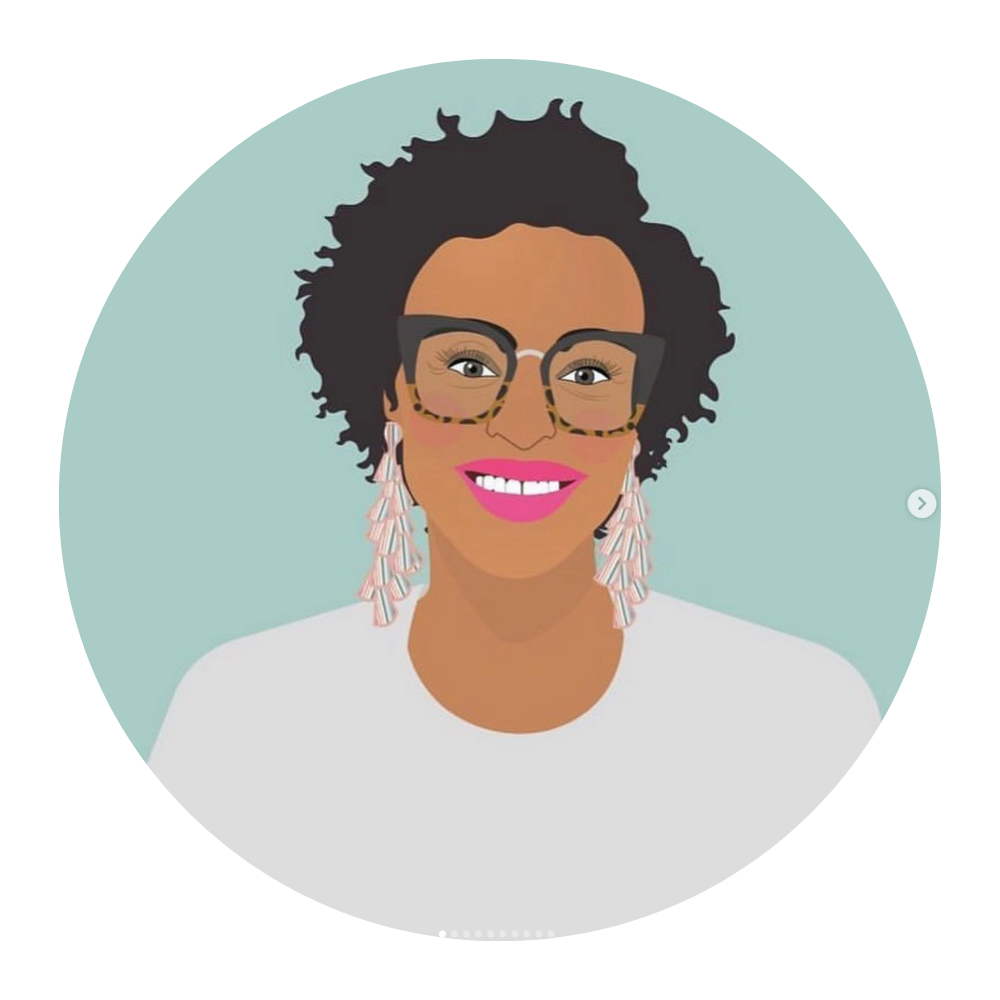
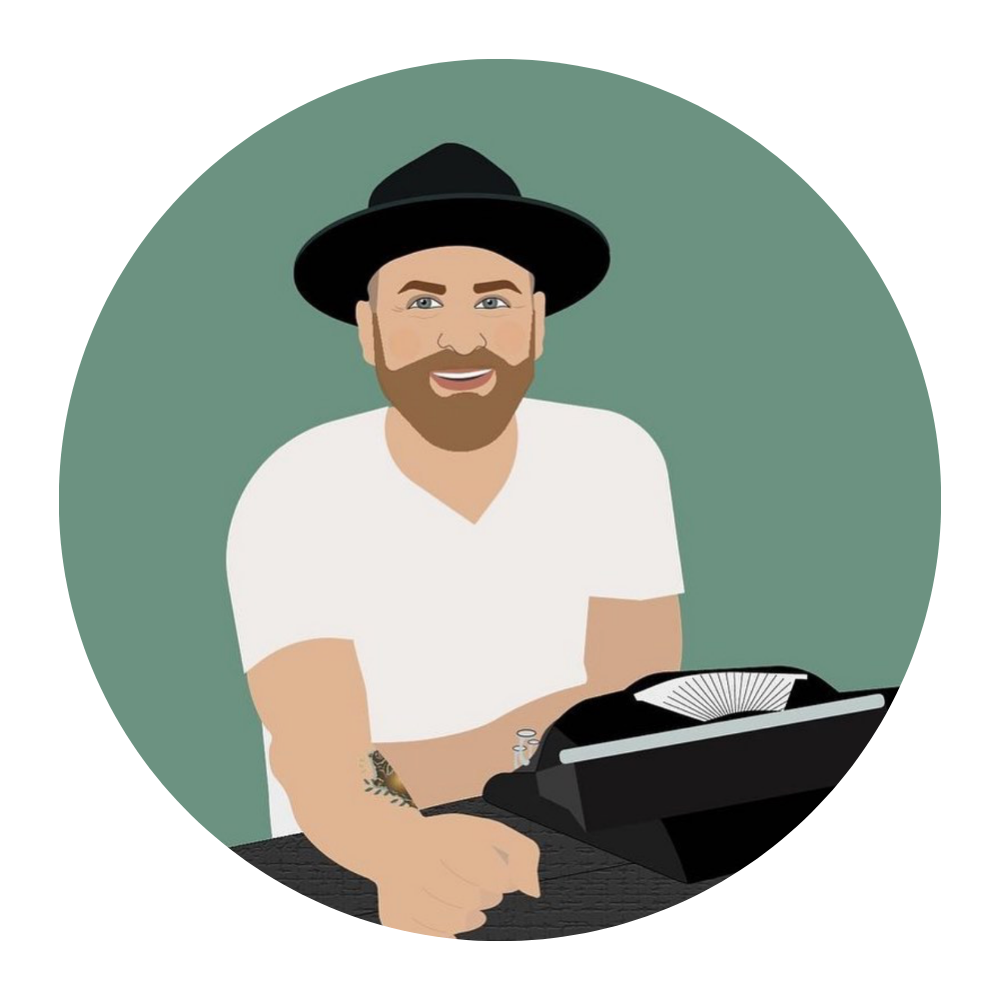
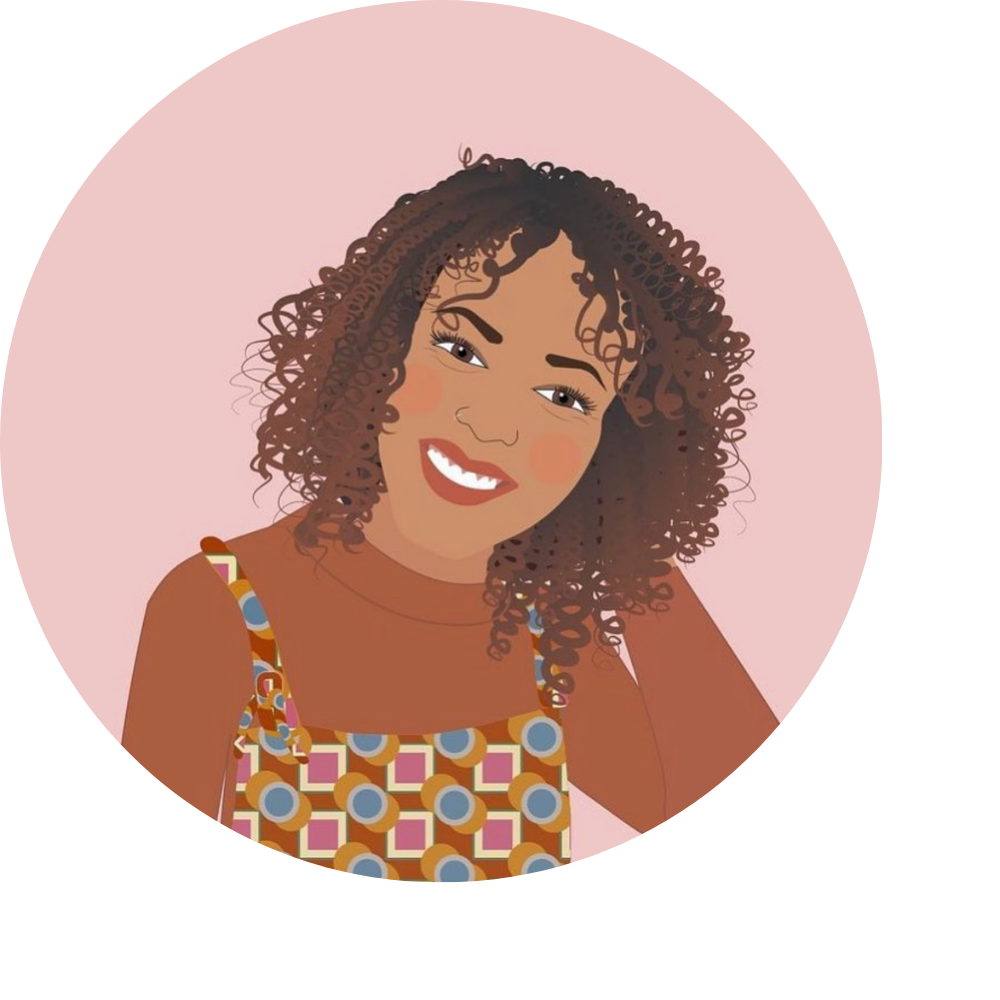
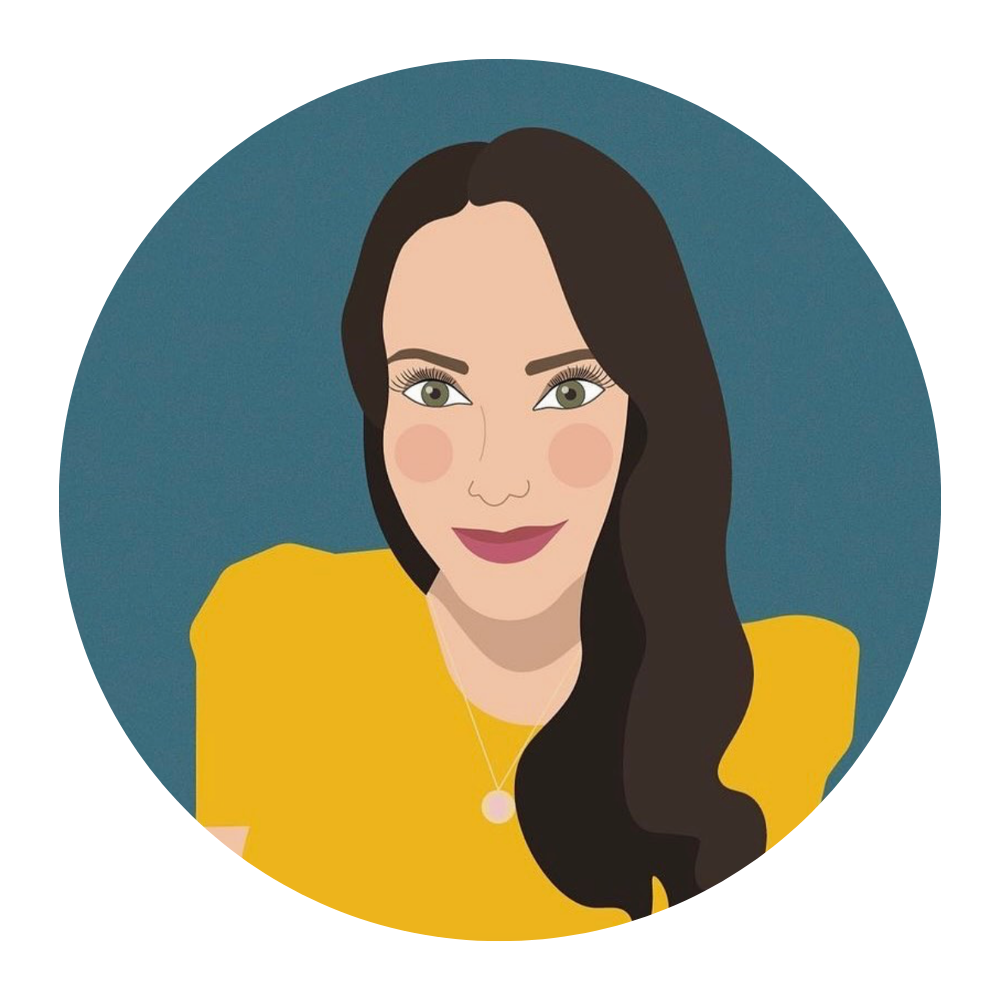
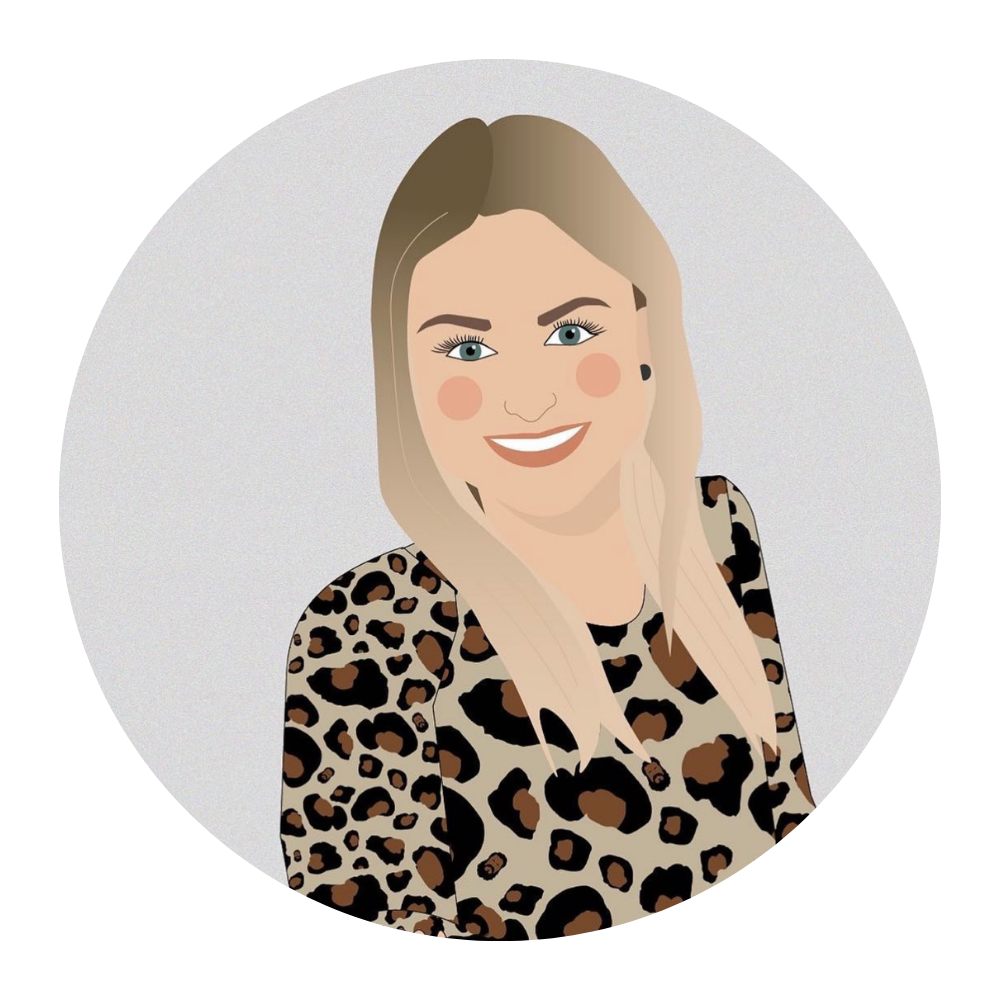
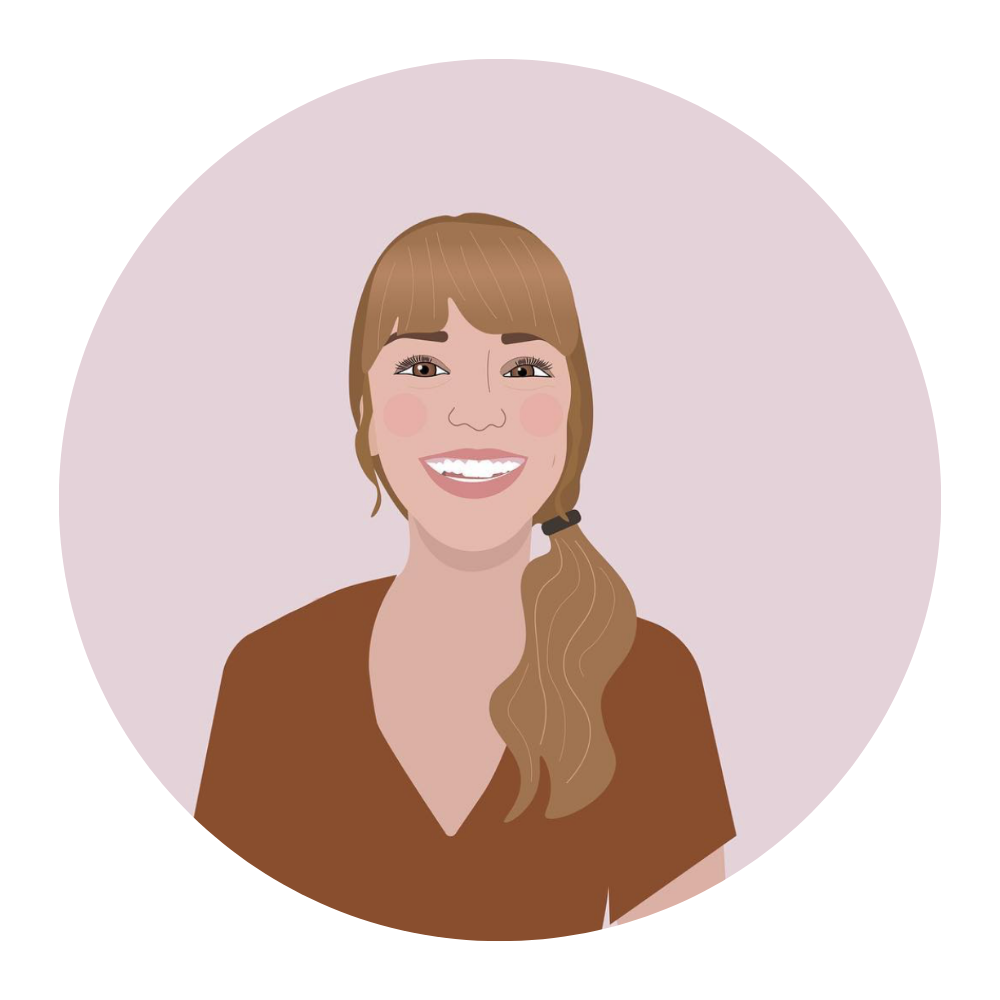
In 2021, three years into my own sobriety, I started a project called The Sober Illustrator where I drew hundreds of influential sober people. Those relationships soon grew into deeper projects, and today I've designed thirty-plus brands in the sober, NA, and wellness space.
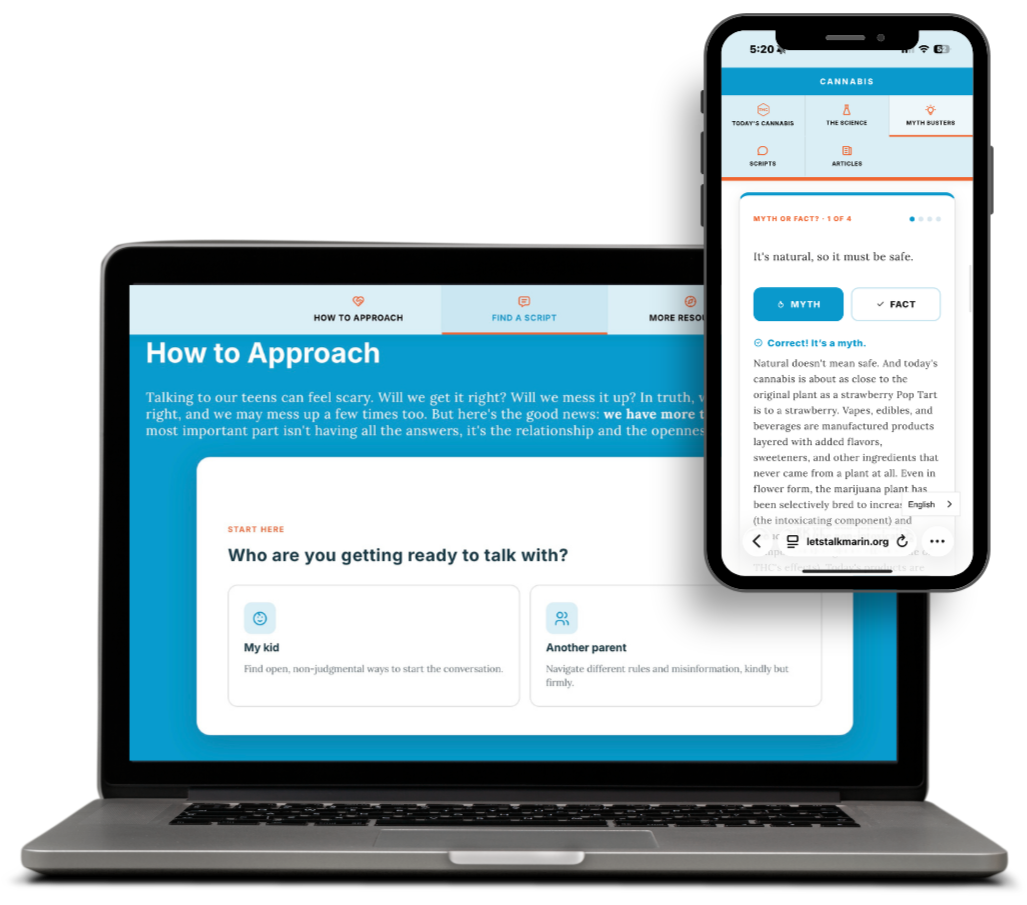
For the past three years I was the creative director at Marin Healthy Youth Partnerships, a nonprofit focused on underage substance use prevention. I managed the organization's brand and wove four separate programs into one coherent online presence, which included building letstalkmarin.org from the ground up.
It's an interactive resource for parents who are doing their best and often have no idea where to start, which is a genuinely hard design problem and my favorite kind.
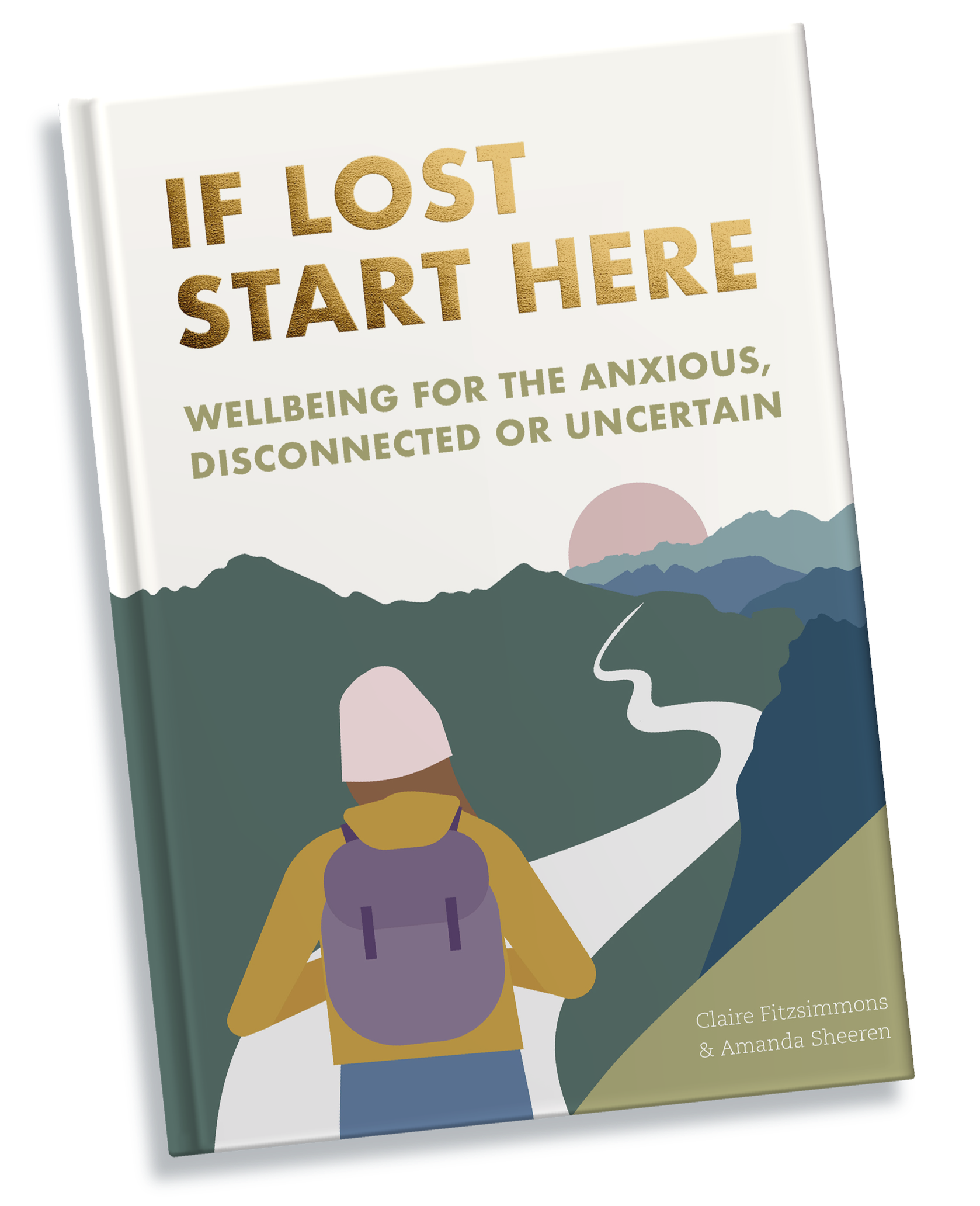
I also wrote a book. If Lost, Start Here is a wellbeing journal, I created with Claire Fitzsimmons, who has been my friend for years and my business partner for nearly as long. It came out in 2026, and it's about the same thing I end up doing with clients: figuring out what you actually want and then building something around it, rather than the other way round.
“The personality is coming through and I'm kinda just in awe, like there is nothing to hold me back now that you've nailed it. I'm the only one in the way of myself! Very confronting. Sorry, I seem to be having an existential crisis. I will pull it together. 100% approved. Holy moly."
— Branding Client Chelsea Day
What I actually do.
Brand strategy and identity, mostly, and then everything that comes after it.
The part where I lose track of time is the beginning. Whether we're rebranding something that exists or building an idea from nothing, that early stretch where everything is still possible is the most interesting place I know how to be. Getting to take an idea someone has been carrying around and give it a name, a voice, and a face is a genuinely remarkable thing to be allowed to do, and I have never gotten over it.
What sets me apart is that I can take a project from strategy through execution and into ongoing management. Nothing gets handed off, which makes it easier for my clients and which brings me great joy as a brand strategist / designer / human who loves making things.